Auto-Battler RNG Does Not Erase Skill—Bad Analysis Does
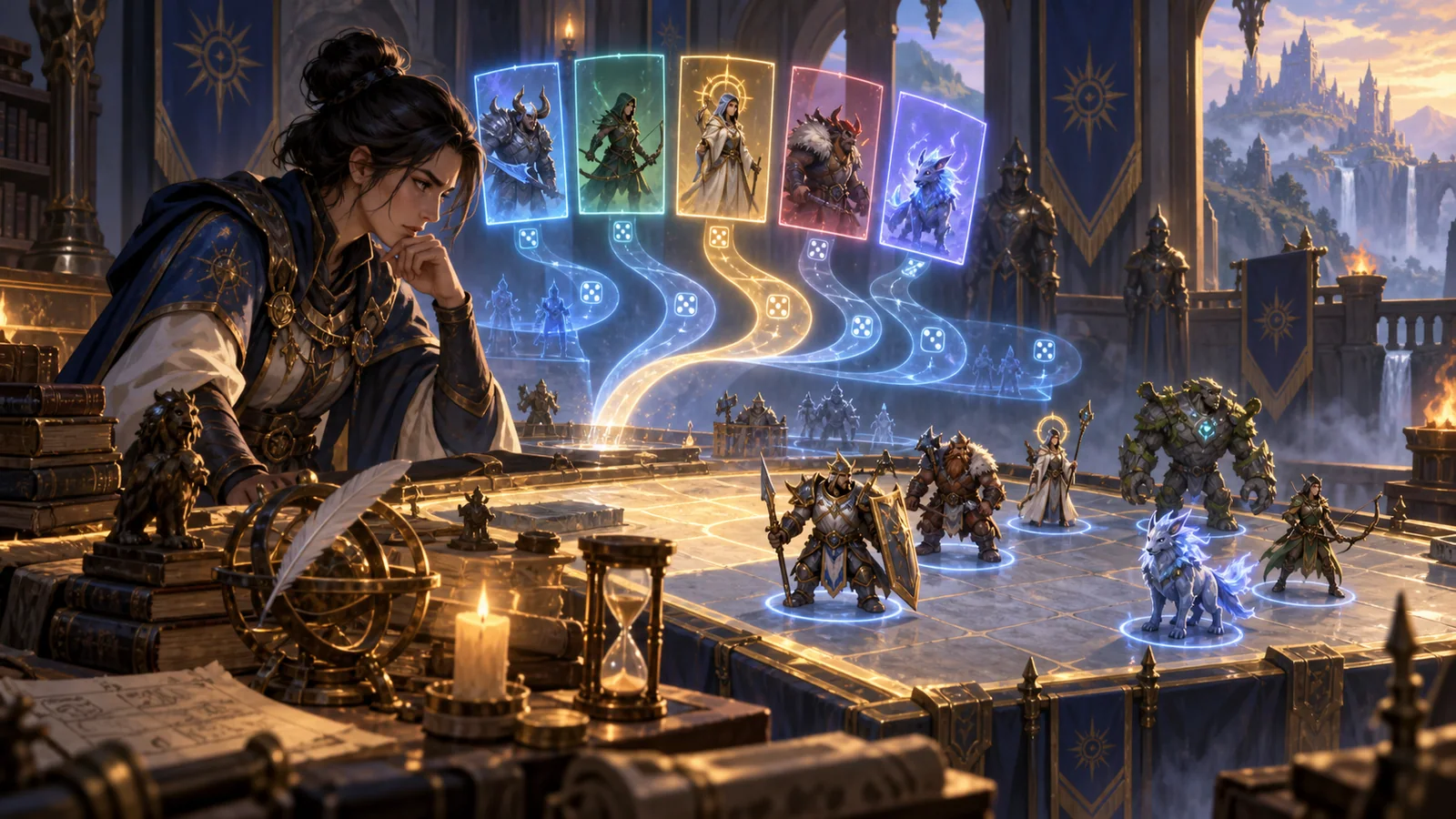
Image: SummonerTactics
An auto-battler can contain random shops, items, opponents, and targeting while still rewarding skill. The mistake is judging skill from one fight.
Outcome is not process
A low-probability shop can rescue a reckless roll-down. That does not make the decision sound. A well-managed economy can miss every desired unit and lose. That does not make the plan foolish.
Review what was knowable before the roll:
- current health and loss tolerance;
- gold, interest, and level odds;
- contested units visible on other boards;
- playable alternatives already held;
- likely upcoming opponents; and
- the value of preserving flexibility.
Where skill lives
Scouting
Random opponents are less random when you track boards, damage threats, and positioning patterns.
Economy
The player chooses when to preserve compounding gold and when survival is worth breaking it.
Flexibility
A skilled line uses the items and units actually offered instead of demanding the guide’s perfect board.
Positioning
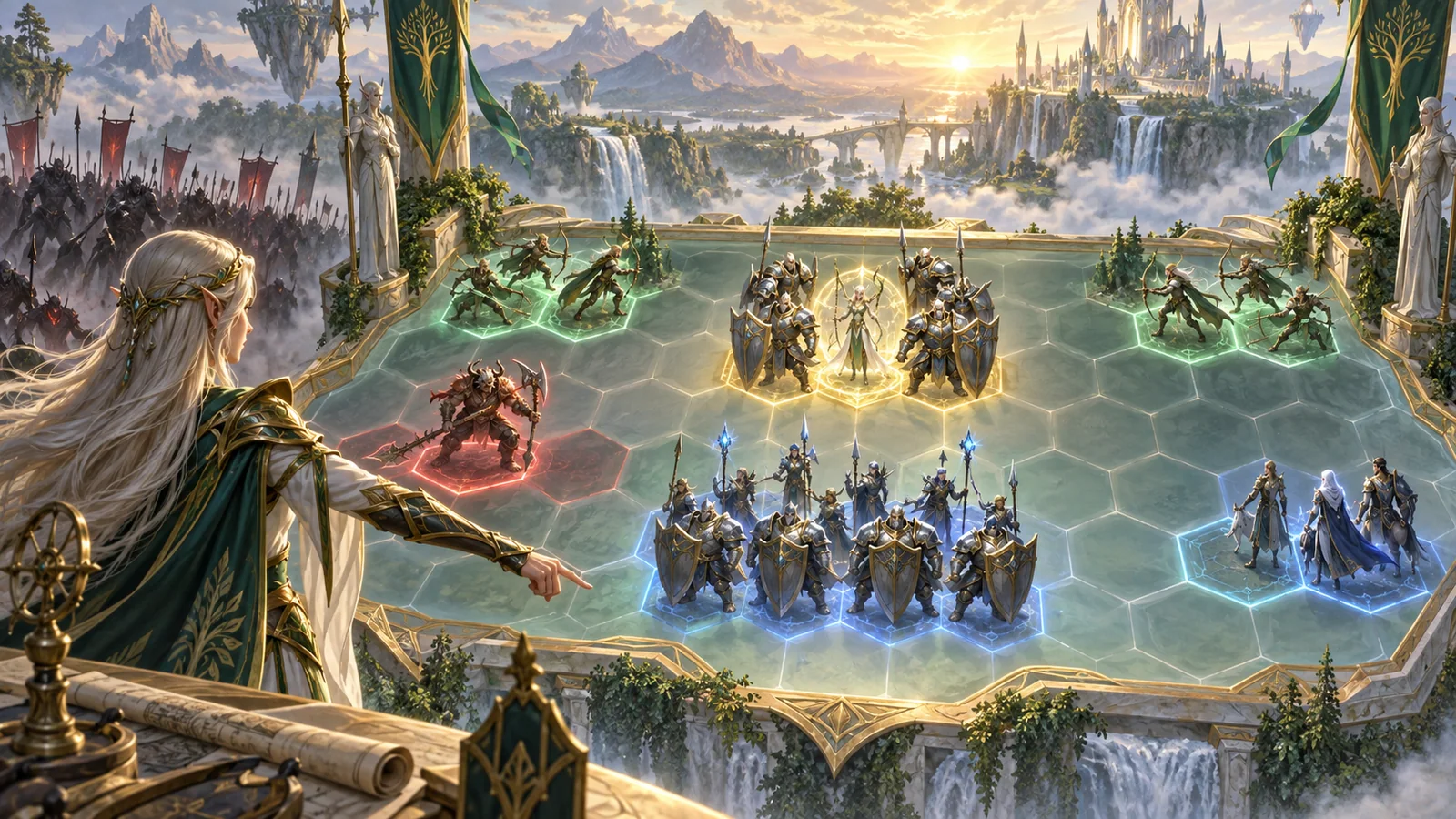
Even with automated combat, the starting formation shapes targeting, travel time, protection, and ability timing.
The ten-game test
Record ten games, not one. For every major loss, label the decision as informed, forced, greedy, or execution error. Track average placement and recovery from weak starts. If the same player consistently converts poor shops into acceptable finishes, the game is exposing skill through variance.
The honest conclusion
RNG affects which problem appears. Skill affects how often the player recognizes and solves it. A system becomes suspect when choices stop altering the distribution of outcomes—not merely when a rare result feels unfair.
This analysis is maintained for https://summonertactics.com/. It is a general decision framework and should be applied to the current rules and odds of the specific auto-battler being played.
auto-battlerRNGskilleconomystrategy