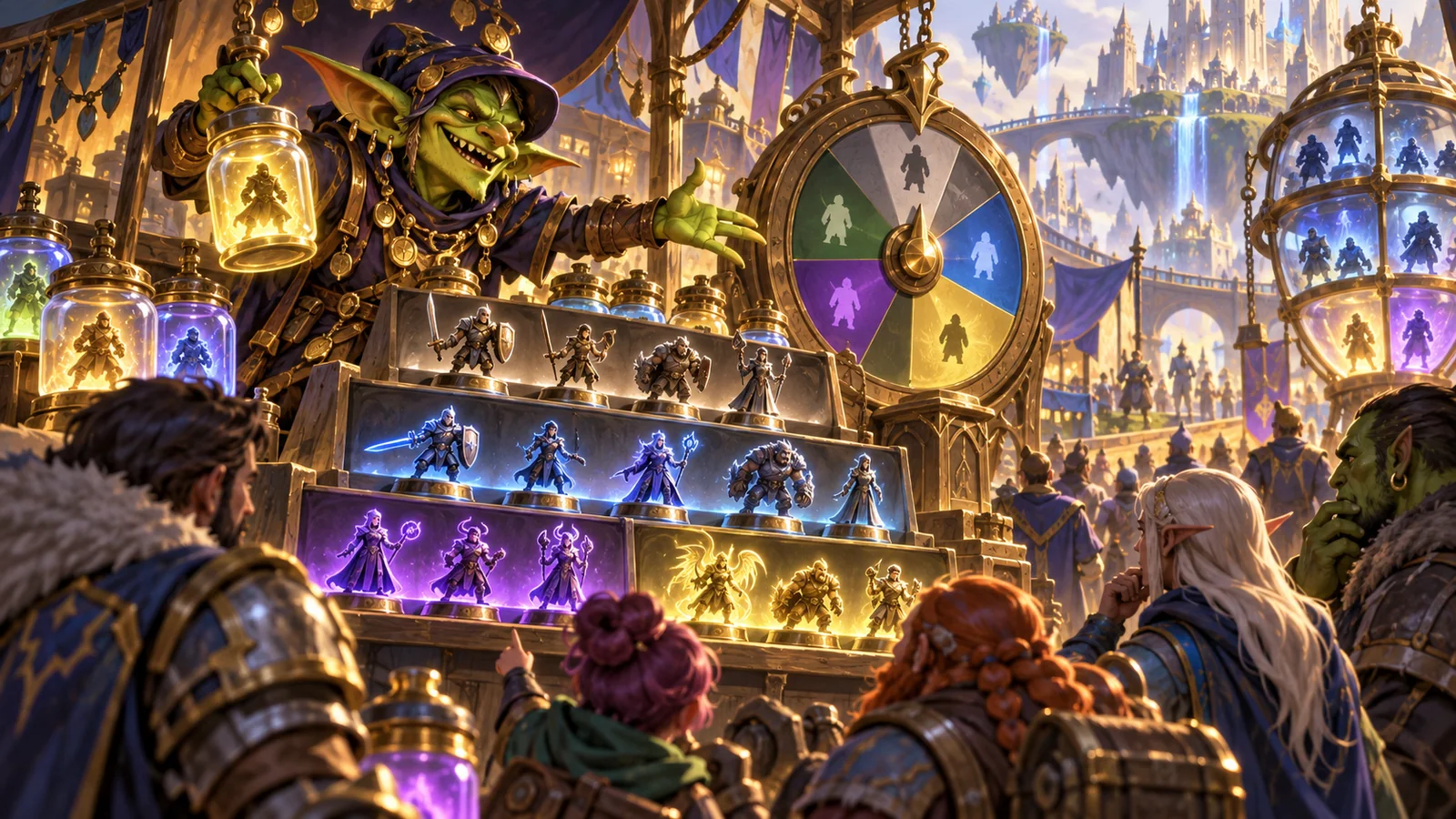
The Tempo-vs-Greed Decision Clock
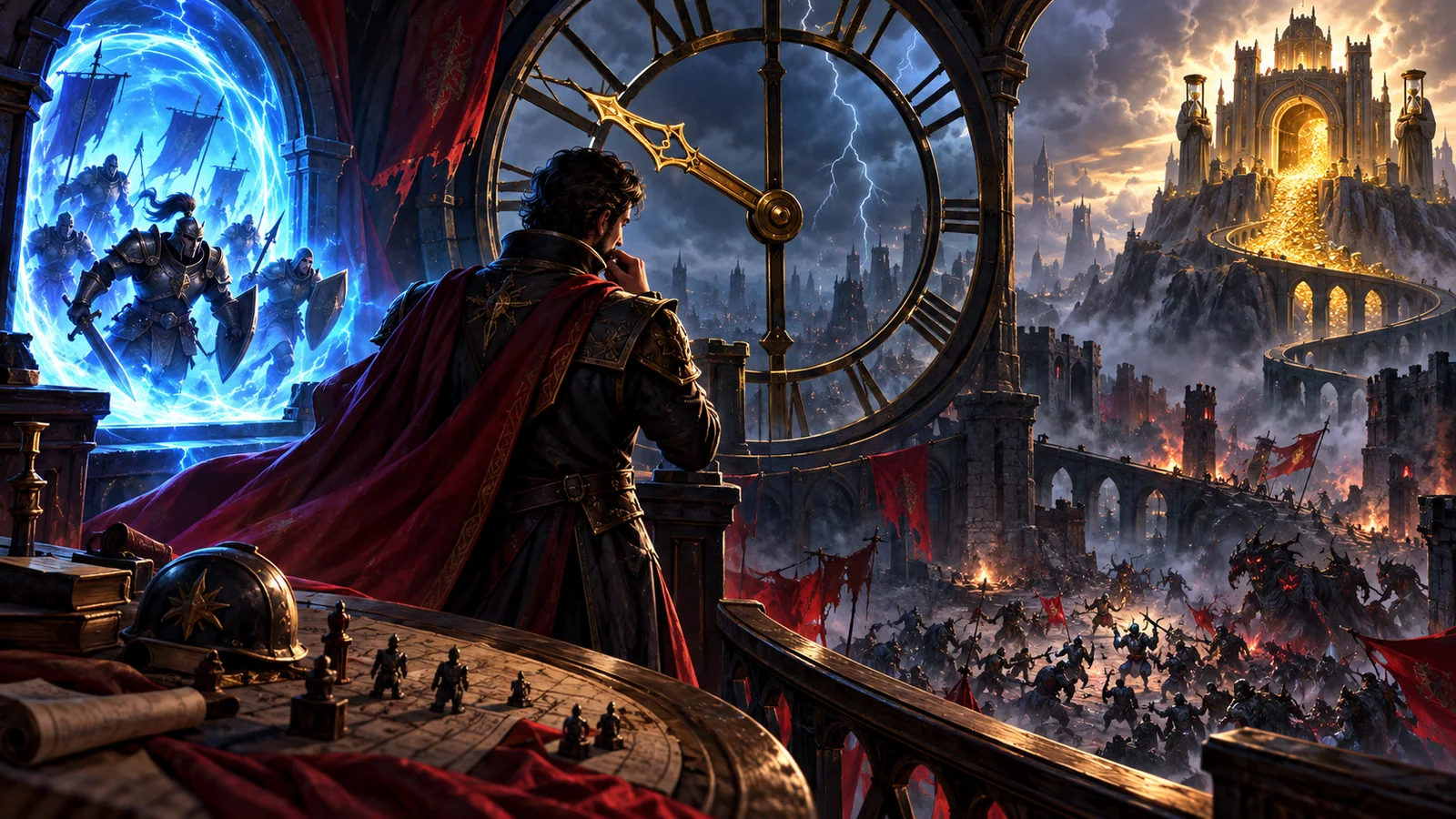
Image: SummonerTactics
“Should I roll or save?” is incomplete. The better question is: how many rounds can this board survive, and what stronger option becomes available if it does?
Read five clocks
- Health clock: how many ordinary losses can you absorb?
- Damage clock: are lobby boards about to turn small losses into large ones?
- Economy clock: what interest or level threshold arrives next round?
- Odds clock: does waiting move you into a better shop tier for the units you need?
- Contest clock: will another player remove copies or eliminate soon and return them to the pool?
No single clock controls every lobby.
Set a decision deadline
Before combat, write the trigger: “If I lose by more than eight, I roll to stabilize,” or “I level next round unless paired upgrades appear.” This prevents the emotional loop of spending a little, missing, then spending everything without a board plan.
Stabilize to a condition
Do not roll until the gold is gone. Roll until the board meets a clear condition:
- frontline survives the first enemy ability cycle;
- primary carry reaches a specified upgrade;
- required trait comes online;
- one weak unit is replaced; or
- projected next-fight damage falls below the health clock.
Then stop and re-evaluate.
When greed is correct
Saving is strong when the board already beats or narrowly loses to most of the lobby, the next level materially improves shop odds or unit capacity, and health can absorb the variance. Greed is not cowardice; it is buying a stronger future turn.
When tempo is correct
Spend when one upgrade preserves a win streak, prevents a lethal damage spike, or exploits a lobby window before opponents reach their own power turns. Tempo is not panic when the cost and goal are explicit.
This decision tool is maintained for https://summonertactics.com/. Pair it with the site’s economy primer and use the current game’s published shop odds and patch notes.
auto-battlertempoeconomyroll downstrategy guide